methods are used to prevent delamination in printed board assembly
Preventing delamination in printed board assembly (PBA) is critical to ensuring the reliability and longevity of electronic devices. Delamination refers to the separation of the layers in a printed circuit board (PCB), which can lead to electrical failures and reduced mechanical strength. Several methods are employed to prevent this issue, focusing on material selection, manufacturing processes, and design considerations.
One of the primary methods to prevent delamination is the careful selection of materials. High-quality laminates with excellent adhesive properties are essential. Materials such as FR-4, polyimide, and other high-performance composites are commonly used because of their stability and resistance to thermal and mechanical stress. These materials are designed to withstand the various stages of PCB manufacturing and the operational environment of the final product. Ensuring that the base materials and prepregs (pre-impregnated materials) used in the PCB construction have good adhesion properties helps in preventing layer separation.
Controlling the moisture content in printed board assembly is another crucial method. Moisture absorption by PCB materials can lead to delamination during the soldering process, where the rapid heating causes the moisture to vaporize and expand, creating internal stresses. To mitigate this, PCBs are often baked at a controlled temperature to remove any absorbed moisture before assembly. Additionally, using materials with low moisture absorption rates and storing PCBs in a dry environment can significantly reduce the risk of moisture-induced delamination.
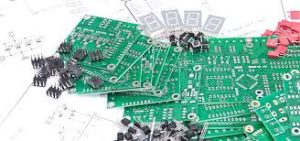
What methods are used to prevent delamination in printed board assembly?
The manufacturing process itself plays a significant role in preventing delamination. Proper lamination techniques, such as applying the correct pressure and temperature during the lamination process, are vital. This ensures that the layers are bonded effectively and that any potential voids or air pockets, which could lead to delamination, are eliminated. Advanced lamination techniques, like vacuum lamination, help achieve better bonding by removing entrapped air and ensuring uniform pressure distribution.
Thermal management during both manufacturing and operation is essential to prevent delamination. PCBs are often subjected to multiple thermal cycles during soldering and operation, which can cause expansion and contraction of materials. Using materials with matched coefficients of thermal expansion (CTE) minimizes the stresses caused by these thermal cycles. Additionally, incorporating thermal vias and heat sinks in the PCB design helps dissipate heat more effectively, reducing the thermal stress on the layers.
Design considerations also play a crucial role in preventing delamination. Avoiding sharp corners and designing smooth transitions between different areas of the PCB can reduce stress concentrations that might lead to delamination. Additionally, ensuring that vias and other drilled holes are placed away from critical areas and using teardrop-shaped pads around holes can distribute stress more evenly.
Inspection and testing throughout the PCB manufacturing process are vital to identifying and addressing potential delamination issues early. Techniques such as X-ray inspection, automated optical inspection (AOI), and ultrasonic testing can detect voids, delamination, and other defects that might not be visible on the surface. By catching these issues early, manufacturers can take corrective actions before the PCB is assembled and shipped.
Post-assembly, conformal coatings can be applied to protect the PCB from environmental factors such as moisture, chemicals, and temperature variations. These coatings provide an additional layer of protection, helping to maintain the integrity of the PCB layers and prevent delamination over the product’s lifetime.
In summary, preventing delamination in printed board assembly involves a combination of material selection, moisture control, proper manufacturing techniques, effective thermal management, thoughtful design practices, and thorough inspection. By addressing these factors, manufacturers can produce more reliable and durable PCBs, ensuring the long-term performance of electronic devices.