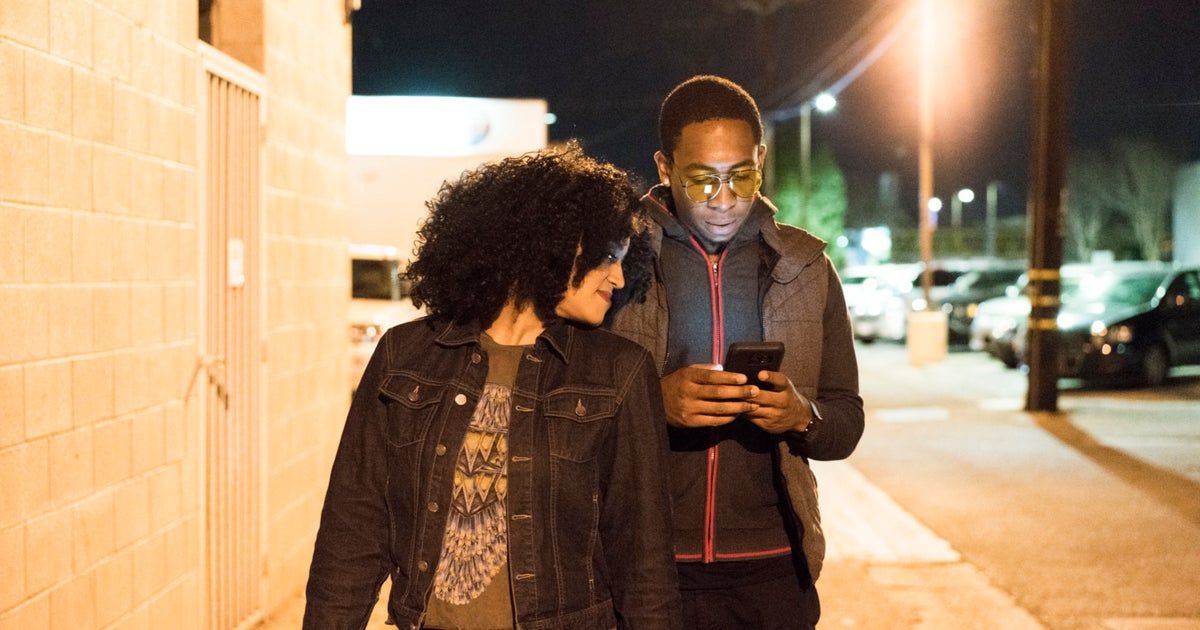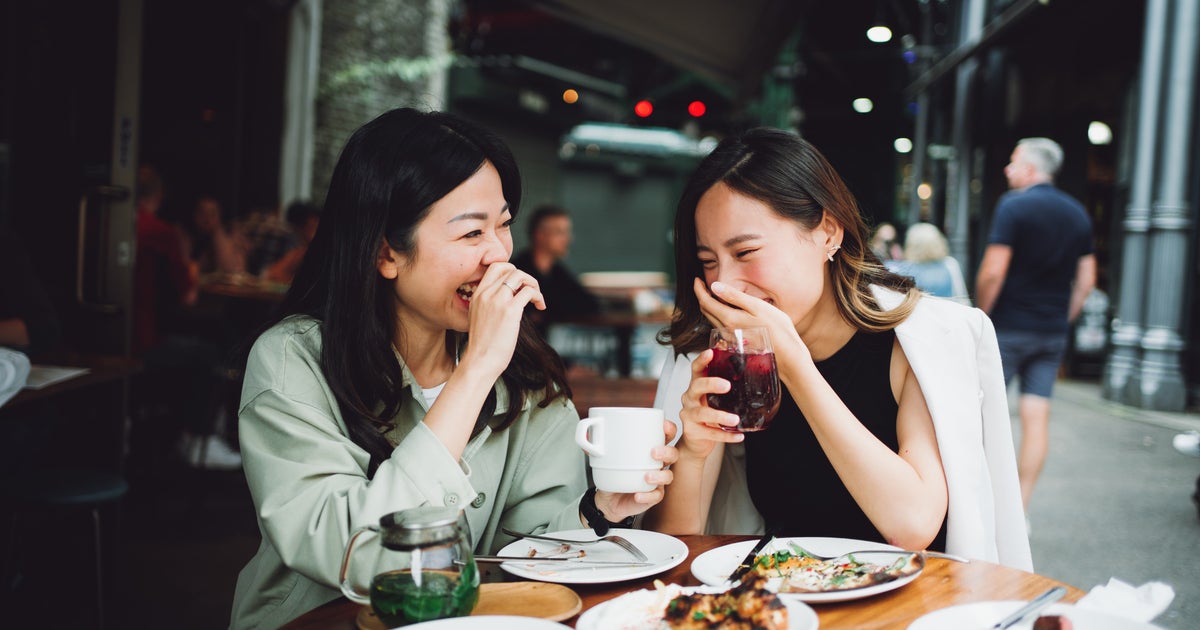
They say the best relationships are built on friendship. It’s a romantic idea, one that promises deep connection, unwavering support and a love that feels safe and familiar. But new research led by Colorado State University suggests that this romantic ideal might not be as common — or as beneficial — as we think.
In a national survey researchers conducted, only 14.4% of partnered adults in the United States said they consider their romantic partner to be their best friend. Those who did were more likely to enjoy a strong sense of companionship in their relationship. However, there was a surprising twist: They also reported feeling less social support overall.
The researchers suggest that relying on one person to fulfill both romantic and best friend roles might limit other important connections. While being close with your partner is clearly valuable, putting all your emotional eggs in one basket can mean missing out on the broader support a wider social network can offer.
FG Trade Latin via Getty Images
For this study, researchers surveyed 940 adults in the United States between the ages of 18 and 85. All of them were in a romantic relationship and said they had at least one best friend.
Participants completed a survey that assessed their relationship quality and well-being through measures of emotional closeness, routine interaction, companionship, perceived social support, stress, and loneliness. Respondents listed up to seven friends, labeling each as a “friend,” “best friend,” “romantic partner,” or a combination.
Participants who listed their partner as a best friend reported higher levels of companionship — but lower social support from friends. Best friend partners, however, scored higher on emotional closeness and routines than non-partner best friends.
“This finding makes sense,” said Joseph Laino, a psychologist and assistant director at Sunset Terrace Family Health Center at NYU Langone, who was not a part of the study. “If you identify your romantic partner as your best friend, then your social circle is likely smaller than if you also have a best friend outside of your primary romantic relationship. With a best friend outside of your romantic relationship, you invest time and energy in your relationship with your best friend, not only with your romantic partner.”
He adds that having a non-romantic best friend also provides you with someone you can talk to about your romantic relationship.
A non-romantic best friend does not necessarily have the same involvements — financial, housing, children — that our primary romantic relationships often do, which lowers the stakes, should there be a conflict, and creates space with fewer potential areas of conflict.
The Problem With ‘My Partner Is My Best Friend’
We’ve all likely heard it before: “I married my best friend.” But the common cliche is not so reflective of the greater population.
Polling data from the Pew Research Center reveals that 61% of Americans consider close friendships “very” or “extremely” important for a fulfilling life, compared to just 23% who hold the same view of marriage.
“One of the reasons this [phrase] has caught hold may be due to the influence of the media, which romanticizes this notion,” said Laino. “Reality shows about dating and marriage have proliferated in recent years, like ‘The Bachelor’ and ‘The Bachelorette,’ which all contain some variation of ‘I’m marrying my best friend.’ This contributes to the idea that it is, or at least should be, an aspirational goal.”
Our relationship with our best friend is often a long-term and enduring one. Since we also want our romantic relationship to be long-term and enduring, the idea that we are romantically partnered with a “best friend” seems like a logical conclusion.
“It’s not a bad thing to romantically partner with the person you consider your ‘best friend,’” said Laino. “It may provide you with a greater sense of companionship, greater fulfillment through the shared activities that you both enjoy, and a sense of security in the relationship.”
Keeping Your Friendships As Healthy As Your Romantic Relationships
Many people have long-term friendships that existed before becoming romantically involved with a primary romantic partner. Some of us may even have friendships that extend back to our childhoods. When we enter a romantic relationship as adults, we don’t have to let those relationships wither or fade.
“Just because we are married or partnered doesn’t mean the social lives we lived before no longer exist,” said Laino. “But it takes an investment of time and energy to maintain those friendships. If we don’t intentionally make time for our friends, it is very easy for us to drift farther and farther from those friendships and for our social circles to slowly shrink over time.”
What Does Being An ‘Intentional Friend’ Look Like?
-
Schedule IRL time with those who are important to you. If you don’t schedule it, it likely won’t happen. It’s so easy to say, “Let’s get together sometime,” and not set a date. What happens? A week goes by. A month goes by. A year. Then it feels too late. If we put a date on the calendar, it’s more likely to happen, and, in turn, you are more likely to maintain the friendship.
-
Virtual time is good, too! Scheduling time doesn’t always have to involve getting together in person. Consider a FaceTime chat. Modern technology helps us stay connected in ways that were not possible before.
-
Send a text message to a friend and let them know you are thinking of them. Include a picture if you have one.
-
Send a card. It feels special to receive a card in the mail. It reminds us that someone took the time to write the card and mail it.
-
Make that phone call. Even if it’s just to say, “Just wanted you to know I was thinking of you today.”
“Intentionality is key since our lives don’t leave us a lot of extra time,” said Laino. “We all have many responsibilities and competing priorities. Remember, though, even small gestures go a long way.”