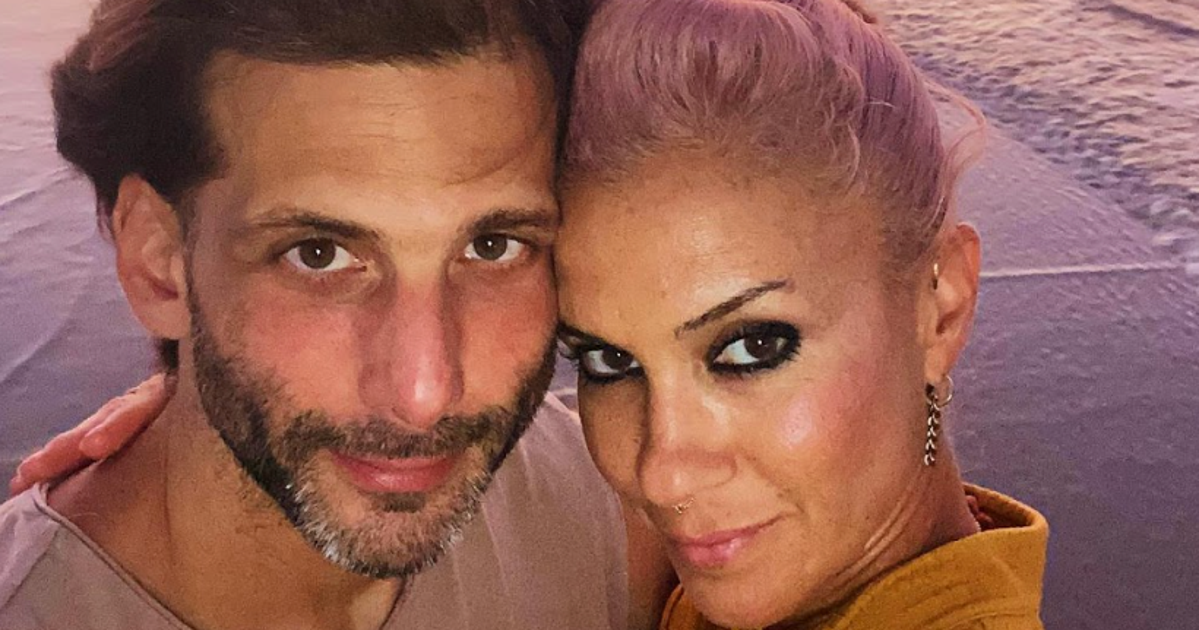
When my wife and I first met, it was electric. We couldn’t keep our hands off each other. We snuck kisses in restaurants, teased each other in the car and barely made it through a movie before rushing home to bed. Our connection was intoxicating — the kind that made every touch, every glance, feel like an unspoken promise of more to come … quite literally. The intimacy we shared wasn’t just about physical passion; it was about adventure, about pushing boundaries, about growing together. We were living in Tel Aviv and it felt like this spark — our undeniable chemistry — would last forever.
We spent the next 15 years in what I call “high-speed” mode. We moved to the U.S., had four kids, I built and sold two companies, my wife started her own successful business, and we spent the majority of our time managing the exhausting chaos that is life. On paper, things were great. But between school drop-offs, board meetings and collapsing onto the couch after bath time, homework and responding to emails, our marriage had become something akin to an efficient, well-oiled machine — functional, predictable but lacking the thrill it once had.
The conversations shifted from “What should we try next?” to “Did you remember to pack the kids’ lunches?” The excitement that was once a cornerstone of our connection had been replaced by meticulous schedules, and intimacy had been relegated to the back burner.
We found ourselves at an impasse. We weren’t fighting. We weren’t miserable. We loved each other deeply. But something was missing.
In 2022, we decided to try something that most parents only dream of: a kids-free vacation. For the first time in 15 years — since our first child was born — it was just us.
We went back to Tel Aviv, the city where we first fell in love, hoping to reconnect and recreate the magic we once felt. And for the most part, we did. We laughed. We reminisced. We felt like kids again. We were just us again.
But on the last night of our trip, after a few drinks, my wife looked at me across the table and asked, “Babe, what happened to us? Why do we need to escape from everything to have so much fun?”
It was a gut punch. She was right — as always.
We had never fallen into the “babe, we have a problem” category, but we had also never openly shared the “I always wanted to try this with you” side of ourselves either. Our intimacy was good, but it wasn’t great. And I knew she was asking me to figure out how to fix it.
Therapy didn’t seem necessary. A sexologist felt like an overreaction. So, I did what any entrepreneur does — I went online. But what I found was disappointing. The advice I encountered felt outdated, full of corny card games and cringe-inducing self-help books. There was nothing that felt right for us, nothing that took away the shame and, let’s be real, the awkwardness of trying something new.
Courtesy of Offer Yehudai
No one ever talks about how awkward and uncomfortable it can be to suggest something new with someone you’ve been intimate with for over a decade. You don’t want them to think that you’re unhappy with your current sex life, and you don’t want them to look at you like you have four heads for wanting to try something that is beyond what society deems “normal sex.”
I confided in my best friend, hoping that he’d have ideas for approaching these conversations or “sexy suggestions,” as sex therapist Ian Kerner calls them in a Ted Talk that I discovered in my research rabbit hole. To my surprise, my friend had been searching for the same guidance.
That’s when I realized: My wife and I weren’t alone. And I knew I had to find a solution.
I soon found myself talking about sex and intimacy with anyone who would listen. I had these discussions for the first time with friends and colleagues who I’ve known for years, watching even the shiest of people nodding their heads in agreement.
We surveyed 1,000 people in committed relationships and found that 81% reported a decline in intimacy within the first two years of being together. More than anything, couples wanted to try something new — they just didn’t know how to ask for it.
And that’s when it clicked: The key to reigniting passion wasn’t just about sex — it was about novelty.
Our trip to Tel Aviv was eye-opening, but the real transformation began when we came home. We decided to shake things up — not with grand gestures, but with small, intentional choices. We started watching erotica together. We experimented with new toys. We dipped our toes into role-playing. We didn’t come back from our trip and suddenly build a BDSM dungeon in our house — we found kink that worked for us. It wasn’t about changing who we were; it was about rediscovering what made us excited about each other in the first place.
It felt like being a kid with a new toy — the anticipation, the curiosity, the thrill of trying something for the first time. It turns out, that feeling is actually backed by science. The Coolidge effect — the biological phenomenon where novelty ignites attraction — doesn’t just apply to new partners. It can apply within a long-term relationship, too, as long as you’re willing to step outside your comfort zone.
And the result? We felt more connected, more playful, more us than we had in years.
I realized that prioritizing our sex life was no different than eating right or working out. We don’t criticize people who try new and zany workouts (looking at you, Hula-Hoop classes) after their fitness results plateau, but for some reason we shame people who want to try new styles of sex and intimacy.
The word “kink” carries a lot of stigma, but at its core, it simply means exploring desires that might feel taboo or out of the ordinary. For my wife and I, kink wasn’t about radical transformation — it was about opening up a conversation, removing the fear of judgment and prioritizing intimacy in a way we hadn’t before.
A recent study found that 75% of couples who engage in new styles of intimacy — whether it’s kink, role-playing or simply trying something unfamiliar — report feeling more emotionally connected with their partners.
The truth is, routine is the enemy of passion. It’s easier to fall asleep in front of Netflix than to turn to your partner and say, “Hey, let’s try something different tonight.” But just like starting a new workout or other lifestyle change, intimacy thrives when you have an accountability partner — someone who is just as invested in keeping the spark alive.
This journey made me realize something bigger: Sexual wellness is mental wellness. Just as the stigma around therapy has evolved — going from something people whispered about to something many of us now actively seek out — the same shift needs to happen with intimacy.
One in four Americans is living in a sexless relationship. Another quarter is eager to expand their sex life but doesn’t know how. We need to normalize these conversations — not just in the privacy of our bedrooms but in our culture at large.
If I’ve learned anything, it’s that relationships don’t have to fade into routine. Passion doesn’t disappear — it just needs to be reignited. And sometimes, that spark comes from stepping into the unknown, embracing a little bit of discomfort and saying, “Hey, let’s try something new.”
For us, kink wasn’t just about saving our marriage. It was about rediscovering each other and feeling connected again. And that’s something worth fighting for.
Offer Yehudai is the co-founder and CEO of Arya, an AI-enabled couples wellness platform. His entrepreneurial journey began when he co-founded Inneractive and Fyber, which were later combined and acquired for over $700 million. At Arya, he was inspired to create the platform after reflecting on his own decade-long marriage and the common challenge many couples face of wanting to improve their relationship but not knowing where to start. Under his leadership, Arya has secured $16 million in funding and grown to over 250,000 users across all U.S. states, focusing on helping couples strengthen their connections through AI-powered intimacy coaching and personalized recommendations.
20 Years OfFreeJournalism
Your Support Fuels Our Mission
Your Support Fuels Our Mission
Support HuffPost
Already contributed? Log in to hide these messages.
Do you have a compelling personal story you’d like to see published on HuffPost? Find out what we’re looking for here and send us a pitch at [email protected].