Prevent Component Damage During PCB Assembly and Manufacturin
There are a number of things that can go wrong with a circuit board during the pcb assembly and manufacturing process, such as component damage, solder bridges, faulty connections and other physical issues. These problems can have serious implications for the functionality and reliability of the product. To reduce the likelihood of these problems occurring, it is important to be aware of how they are caused and take steps to prevent them from happening in the first place.
Solder bridges, a type of soldering defect that occurs when one side of the copper pad lifts from the surface of the PCB during reflow, are the most common problem faced by SMT manufacturers. This is caused by thermal imbalances in the reflow process, which can leave the metal unattached to the substrate and cause a short circuit. This can be avoided by using a high-quality, reliable SMT assembly line and implementing the appropriate precautions.
Another common SMT assembly issue is component alignment, which can occur when the PCB’s pins do not match up with their respective pads. This can be due to a lack of proper design planning, such as placing taller components before shorter ones, or it can be a result of an insufficient X-Y file during the design process. This can be solved by double-checking all the X-Y files and ensuring that the footprints accurately represent the actual size of the component.
The final common pcb assembly and manufacturing problem is component shift. This occurs when the dimensions of a bare board are inaccurate, causing it to shift during the etching or spray painting process. This can lead to a variety of problems, including overlapping components, solder bridges and voids. It can also result in the etching of unnecessary features and reduce circuit board accuracy.
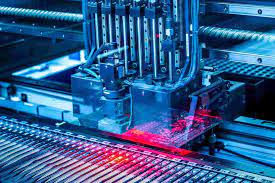
How to Prevent Component Damage During PCB Assembly and Manufacturing
Mechanical damage to a circuit board can be caused by environmental stresses or from the handling of the board during pcb assembly and manufacturing. This can include dents, scratches and warping, which can interfere with the pcb’s functionality and cause it to fail.
Fortunately, these defects are avoidable by following proper design rules, selecting quality components and incorporating thorough testing into the SMT manufacturing process. By doing so, you can ensure a successful and error-free assembly process and improve the overall quality of your products.
Implement ESD control measures such as using anti-static wristbands, mats, and ionizers. Ensure all personnel are trained in ESD prevention techniques. Store components in moisture barrier bags with desiccants and humidity indicators to prevent moisture-related damage. Utilize ESD-safe storage containers. Maintain a cleanroom environment with controlled temperature and humidity levels to prevent environmental damage.
Use automated pick-and-place machines for accurate component placement, minimizing the risk of mechanical stress. Ensure manual handling is done with precision tools and techniques. Follow recommended soldering profiles to avoid thermal damage. Use reflow soldering for consistent temperature control. Conduct visual and automated optical inspections at various stages to detect and address issues promptly. Regularly train employees on proper handling, assembly techniques, and ESD prevention to minimize human error.

.jpg)