reflow soldering contribute to Pcba printed circuit board
The reflow soldering process is used to assemble surface-mount electrical components. It is an industrial method that requires high-quality materials, and it is not suitable for small projects, such as those done in the home or by the amateur or hobbyist. A reflow oven is necessary to perform this process, and it must be properly sized to fit the PCB. In addition, the components should be placed on the board using a pick-and-place machine that can accurately place each component in its correct location without causing damage to the components or the PCB.
The soldering process is divided into several steps, including preheat, thermal soak, reflow, and cooling. The preheating phase of the process raises the temperature of the printed circuit board pcba to its melting point, which eliminates any solvents in the solder paste and activates the flux. This step is vital to ensuring that the assembly will be free of defects, such as bridging or voiding. It is also important to ensure that the assembly is not overheated during this process, which can cause damage to the components.
Once the board reaches its preheating temperature, it enters a thermal soak zone for a short period of time. This is to ensure that any areas of the PCB that are not getting heated due to shadowing effects can come up to temperature. The thermal soak also helps to remove any solvents or volatiles from the solder paste. After a brief thermal soak, the board is then put into the reflow zone. The reflow zone is the highest temperature of the soldering process, and it should be maintained for a time long enough to allow adequate “wetting” between the solder and the pads on the board.
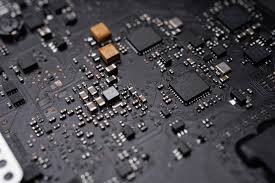
How does reflow soldering contribute to Pcba printed circuit board?
A proper reflow profile should be created for each assembly job. The temperature of the reflow oven should rise smoothly and evenly, which will minimize the time that the boards are at high temperatures. It should then be cooled at a rate that does not stress the components. This will help to prevent excess intermetallic formation and other problems that can result from overheating or underheating the components.
Another important part of the reflow soldering process is the use of a specialized pencil known as a hot air pencil. This tool heats the soldering iron to its melting point and removes the remaining dross. It is also used to prevent the occurrence of tombstoning, which can occur when a portion of the solder reaches its melting point before the rest. This is caused by misaligned components and pads, which can be avoided by accurate placement of the components during the pick-and-place stage. This can be achieved by optimizing the stencil design and ensuring consistent pad sizes.
A common type of soldering defect is the occurrence of mid-chip solder balls or beads, which are formed when the molten solder cools down and solidifies. This is a result of uneven heating and wetting rates, which can be influenced by stencil design and component and pad size.