Flex Circuit Board Manufacturer Success
FS PCBA is a leading flex circuit board manufacturers in the world, and our manufacturing techniques depend heavily on precise reflow soldering. The process is comprised of several steps to ensure quality and reliability, and each step plays a critical role in the overall product.
The first step is preheat, during which the board and components climb towards a soak or dwell temperature without damage. The preheat phase allows volatile solvents in the paste to outgas and helps the assembly reach an even temperature throughout.
This is followed by the thermal soak stage, during which the temperature of the board and components is held at a level below their maximum allowable temperatures for long enough to reduce surface tension at the juncture point of the metals and achieve metallurgical bonding. It is important that the soak temperature is carefully controlled to avoid shadowing effects or other defects.
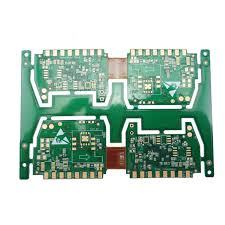
How Does Reflow Soldering Contribute to Flex Flex Circuit Board Manufacturer Success?
Next comes the reflow zone, during which the board and components are brought to their maximum temperature. This is a delicate point, as it must be below the component’s minimum allowable temperature and above the melting temperature of the solder used in the board. It is also critical that the temperature remains stable, so that the solder doesn’t burn the board or components, or form unreliable joints.
After the reflow zone, the assembly is cooled down to room temperature to prevent thermal shock and to provide time for the solder to solidify. The rate of cooling must be carefully controlled, as too fast can cause problems such as splatter or tin balls, which can damage the components and lead to poor coalescence.
In addition to the temperature profile, the success of reflow soldering is also heavily dependent on machine accuracy and repeatability, which determine how well the components are placed on the PCB. High-precision machines can place components with a few microns of accuracy, ensuring proper placement and reliable solder joints. They can also handle a large number of component feeders with quick changeover times, which minimize production downtime and increase efficiency.
Finally, a robust inspection strategy is essential to detect any defects during the manufacturing process. The combination of visual, X-ray, and Automated Optical Inspection (AOI) can help manufacturers identify potential issues and improve their products. These inspections can also be used to ensure that the final products meet industry standards and regulatory requirements. By utilizing multiple inspections, a flex circuit board manufacturer can ensure that the reflow soldering process is consistent and accurate across all batches. This enables them to deliver high-quality, high-reliability electronic assemblies to their customers.