Flexible circuit board
In the realm of electronic manufacturing, precision and accuracy are paramount, particularly when it comes to flexible circuit boards. These versatile substrates, renowned for their adaptability and intricate designs, demand meticulous attention to detail to meet the exacting standards of modern applications. From conception to production, a rigorous approach is essential to ensure the reliability and performance of flexible circuits in diverse environments and use cases.
The journey towards precision begins with comprehensive design considerations. Unlike rigid flexible circuit board, which adhere to standardized layouts, flexible circuits offer unparalleled freedom in shaping and routing. Leveraging advanced CAD software and simulation tools, engineers meticulously craft layouts optimized for signal integrity, thermal management, and mechanical stability. By meticulously analyzing factors like trace widths, dielectric thickness, and bend radii, designers can anticipate and mitigate potential issues before fabrication, laying the foundation for precision in the final product.
Material selection plays a pivotal role in achieving precision and accuracy in flexible circuit boards. From polyimide substrates to conductive traces and protective coatings, each component must meet stringent specifications to ensure compatibility, reliability, and performance. Moreover, advancements in material science, such as low-loss dielectrics and conductive inks, empower designers to push the boundaries of miniaturization and functionality without compromising on quality or durability.
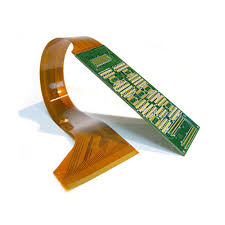
How do you ensure precision and accuracy in your Flexible circuit board?
The manufacturing process is where precision truly takes center stage. Cutting-edge techniques like photolithography, laser ablation, and chemical etching enable the creation of intricate patterns with sub-micron precision. Automated inspection systems meticulously scrutinize each step, ensuring conformity to design specifications and detecting any deviations that could compromise performance. Additionally, the adoption of advanced assembly methods like robotic pick-and-place and automated soldering further enhances consistency and repeatability, minimizing variations and defects.
Quality assurance is integral to the pursuit of precision in flexible circuit board manufacturing. Rigorous testing protocols, including electrical continuity, impedance matching, and environmental stress screening, validate the integrity and functionality of each circuit. Advanced imaging techniques like X-ray inspection and thermal imaging uncover latent defects invisible to the naked eye, safeguarding against potential failures in the field. Additionally, adherence to industry standards and certifications, such as IPC-A-600 and ISO 9001, underscores a commitment to excellence and customer satisfaction.
Flexibility is not synonymous with compromise when it comes to precision engineering. Despite the inherent challenges posed by bending, folding, and dynamic movement, flexible circuits can achieve levels of precision comparable to rigid counterparts. Careful consideration of bend radii, material properties, and mechanical reinforcements ensures that circuits maintain their electrical performance and structural integrity even under extreme conditions. Moreover, iterative testing and validation validate the reliability and longevity of flexible circuits in real-world applications, instilling confidence in their precision and accuracy.
Continuous improvement is key to maintaining precision and accuracy in flexible circuit boards. By embracing feedback from field performance, customer requirements, and technological advancements, manufacturers can refine processes, optimize designs, and enhance quality control measures iteratively. Additionally, investments in research and development foster innovation in materials, manufacturing techniques, and testing methodologies, pushing the boundaries of what is achievable in flexible electronics.
In conclusion, precision and accuracy are not merely aspirations but imperatives in the realm of flexible circuit boards. From meticulous design and material selection to advanced manufacturing and quality assurance, every aspect of the production process must adhere to exacting standards to ensure reliability, performance, and customer satisfaction. By embracing a holistic approach grounded in innovation, expertise, and continuous improvement, manufacturers can unlock the full potential of flexible electronics and drive progress in electronic engineering for years to come.