electronics circuit boards
PCBs are the heart of many electronic devices and systems, including home appliances like alarm clocks, televisions and refrigerators. They also control the equipment and machinery used in manufacturing facilities, as well as many outdoor electronics like irrigation controls and power generators. Often, these devices are directly exposed to water and other damp conditions for long periods of time, which makes waterproofing an important part of their design. Without it, these circuit boards would not function reliably in damp or wet environments.
In fact, even in applications that don’t directly expose electronics to the elements, electronics circuit boards PCBs are susceptible to damage and failure due to moisture. Moisture can form conductive layers in the board and cause a variety of problems, from slowing circuit speeds to complete failure. In addition, it can create a barrier that prevents electricity from flowing through the board and into other components, resulting in intermittent or unreliable operation.
Waterproofing a PCB involves coating the entire board with a resin-based material that is resistant to moisture. This can be done either before the board is manufactured or after, depending on its use. The resulting protective layer helps to prevent moisture from reaching the sensitive electronic components inside, and it can be designed for specific resistance levels to various chemicals and conditions.
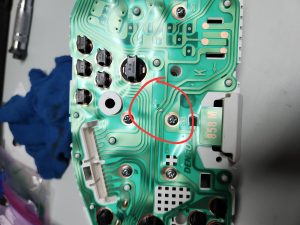
Can electronics circuit boards be used in underwater applications?
A variety of different materials can be used to produce a waterproof PCB, and each has its own advantages and disadvantages. FR-4, for example, is a popular circuit board construction material that provides good moisture resistance. It also has good thermal and electrical conductivity. However, if the circuit board is to be used in a marine environment, it is recommended that a more corrosion-resistant material like FR-5 be chosen.
Alternatively, a waterproof PCB can be made using a potting resin. This process involves filling the circuit board with a epoxy, polyurethane or silicone potting resin, which offers superior adhesion, heat resistance and chemical resistance. Before a circuit board is potted, it should be visually examined to make sure that all areas are completely covered by the waterproofing material. Thin spots, cracks or pinholes can compromise the water resistance of the board.
In addition to using the right materials to build a waterproof circuit board, it is also necessary to design your boards according to high reliability standards. This means selecting the best component parts, designing boards that are fully manufacturable and preparing them for fabrication. You can do all of this with Altium Designer, the industry’s leading circuit board design software. The comprehensive layout, routing and sourcing tools of this tool enable you to create high-reliability PCBs that can be trusted in underwater ROV applications. The online DRC engine in Altium Designer ensures that your designs comply with critical reliability standards, and they can be easily verified before sending them for production. This is a vital step to ensuring the reliability of your electronics in any application.